Isabelle Ribot - Brazil & France
Isabelle Ribot was born in Normandy, France, in 1961. She studied drawing at the Lycée Laplace in Caen and at the École des Beaux-Arts in Caen, Normandy. She first visited Brazil in 1986. The emotions stirred by her arrival in São Paulo became the starting point for her creative world. She was fascinated by the coexistence of nostalgia and the future in this boundless city. In 2001, after several trips to Brazil, she chose São Paulo as her home and the base for her work.
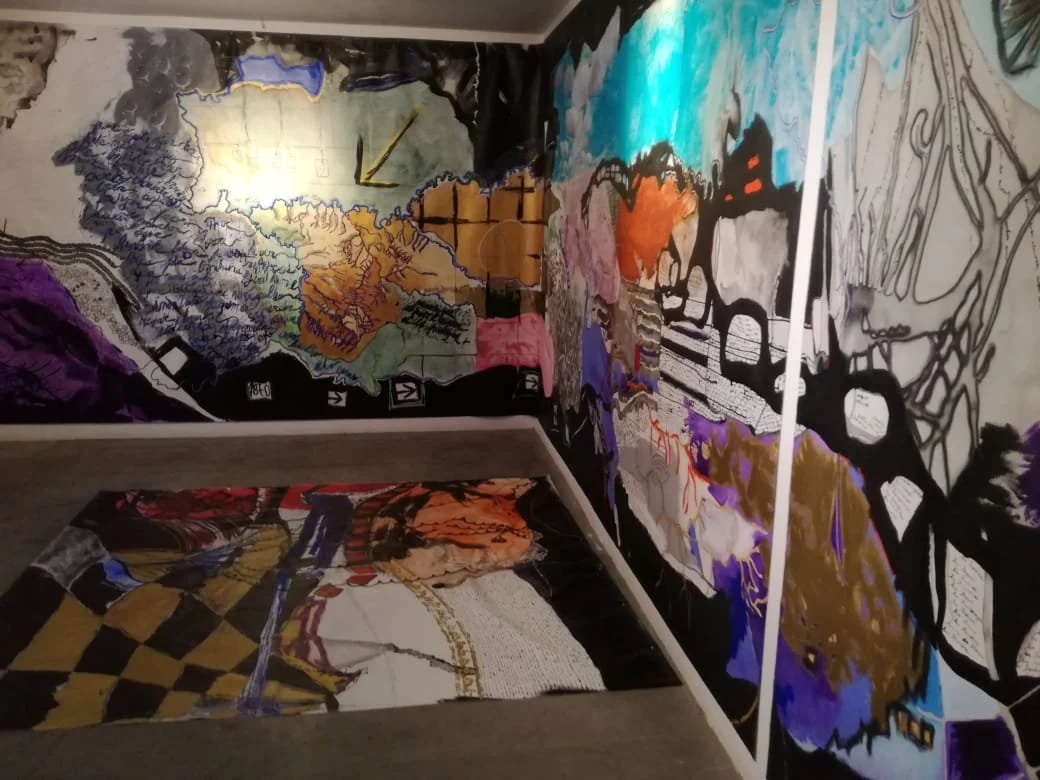
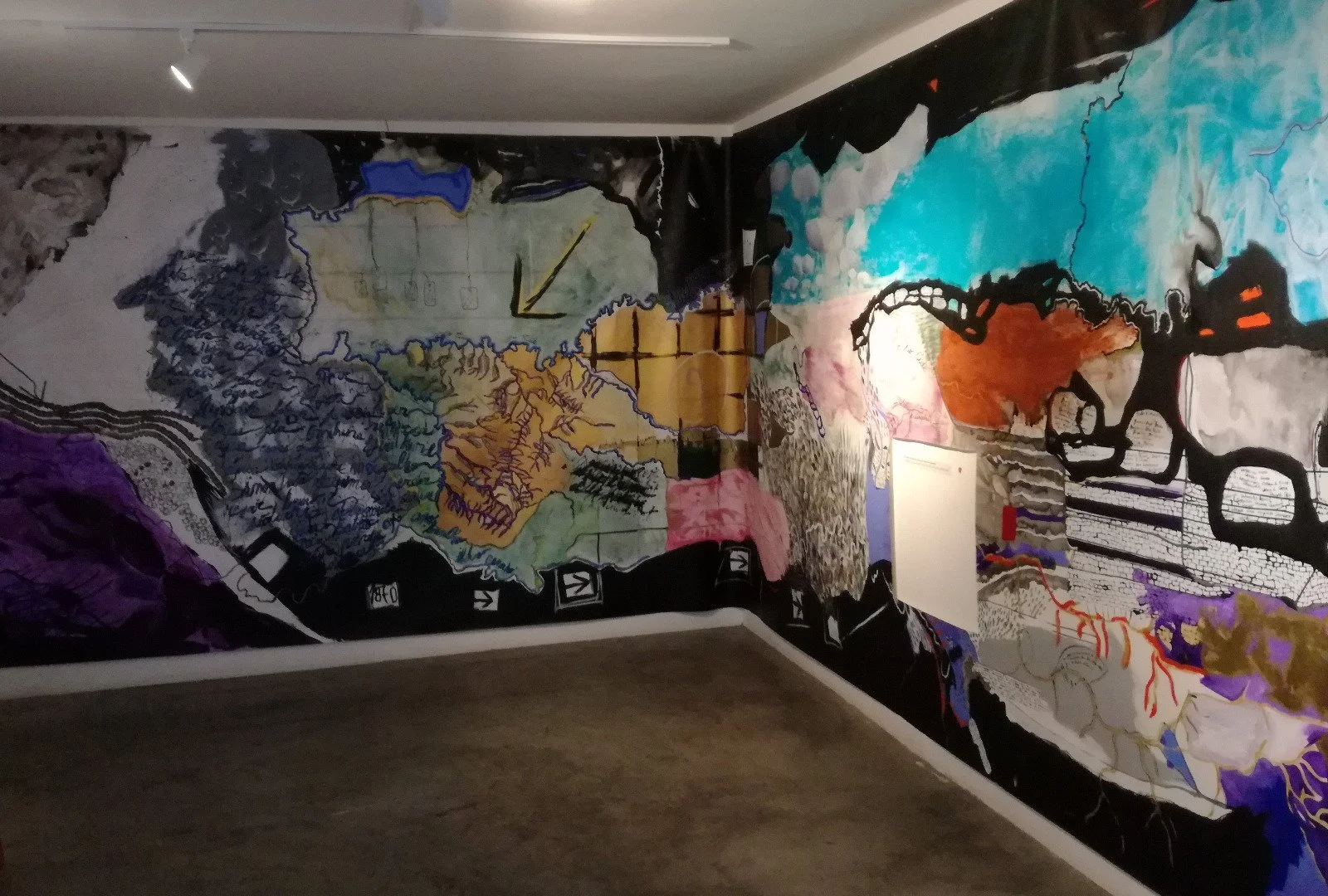
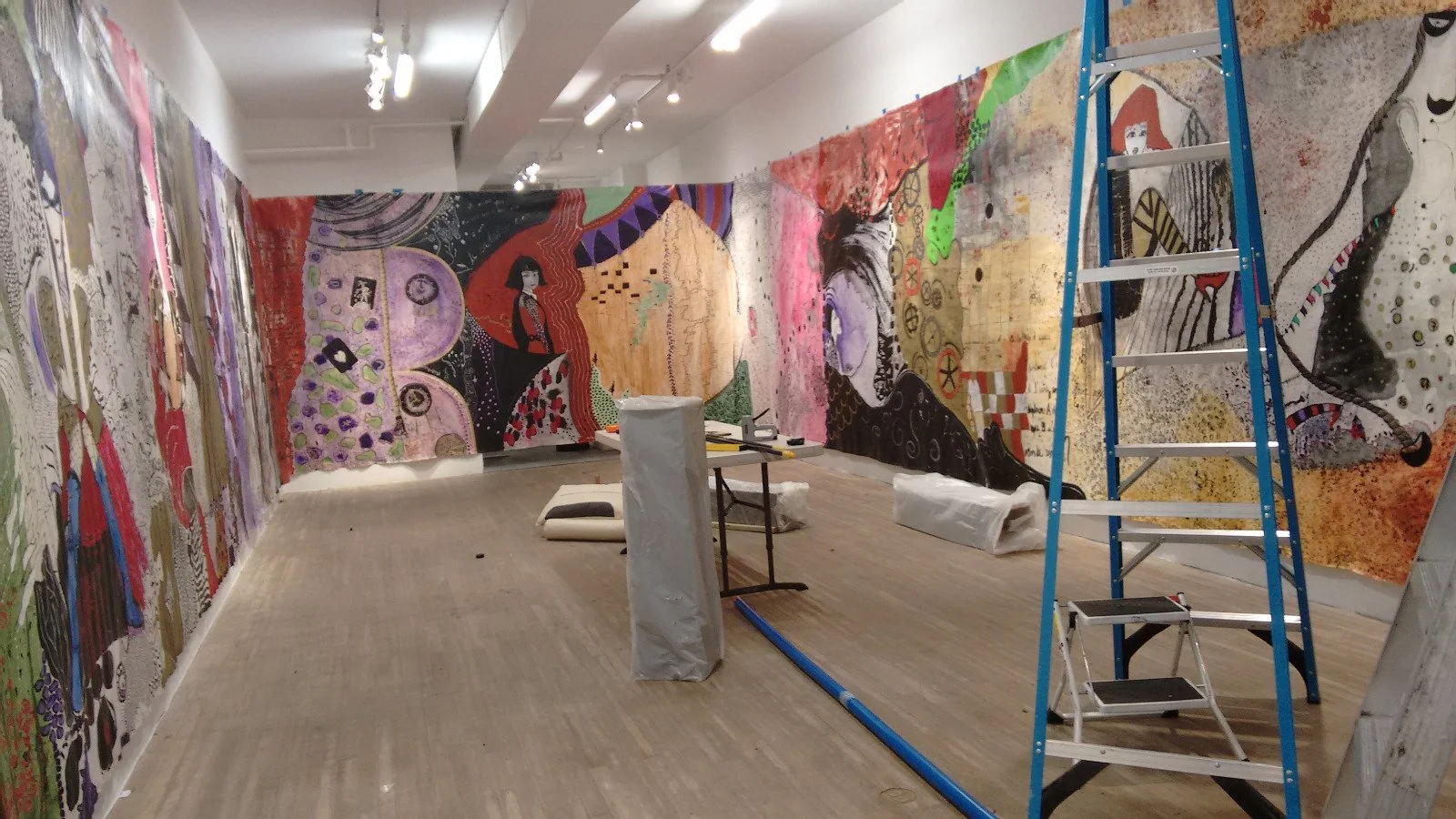
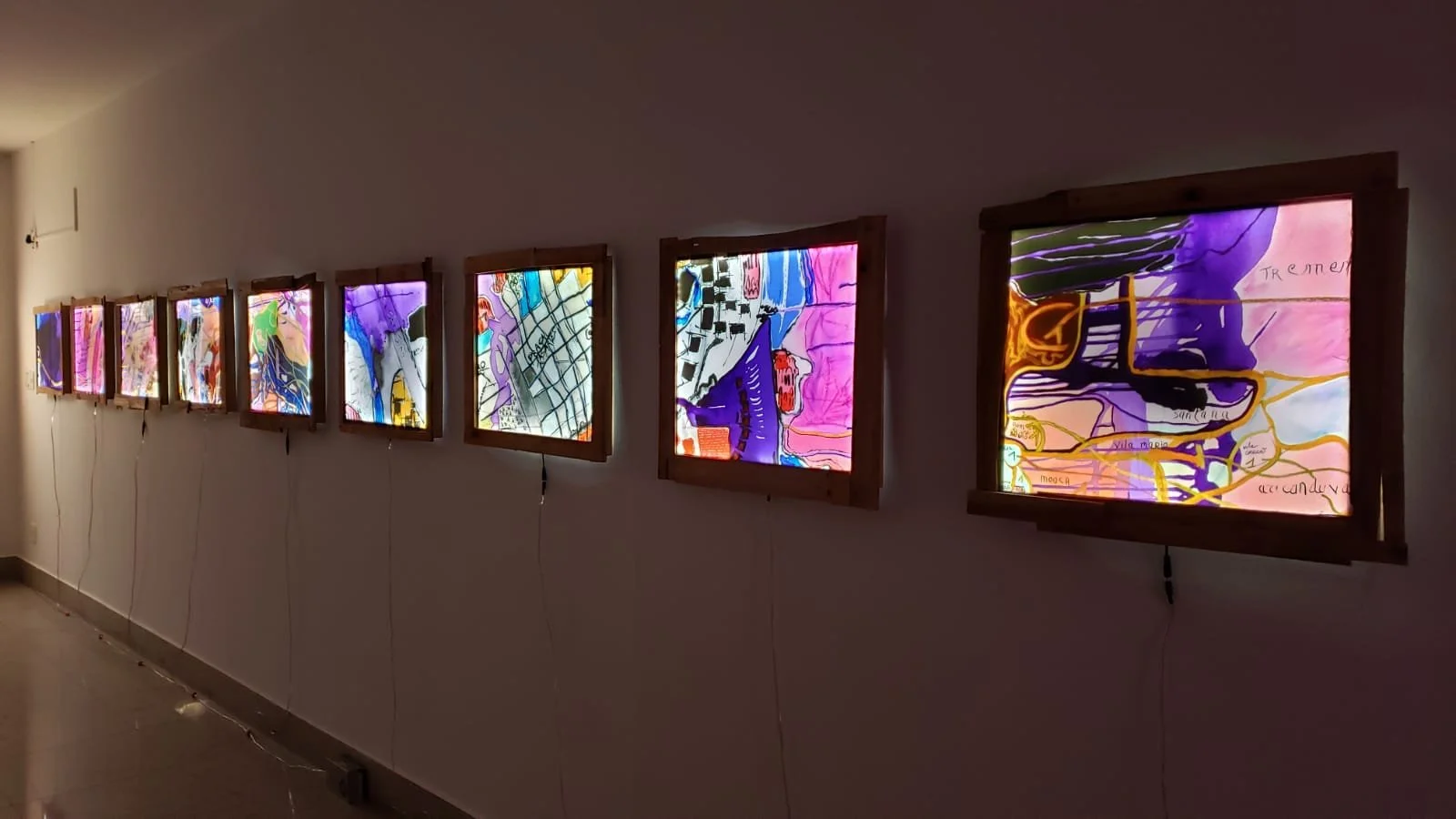
Painting lies at the heart of Ribot’s practice, with scale and format remaining a constant field of exploration. She works on very small canvases as well as on works of unusual dimensions, ranging from the intimate to the monumental. Among her most distinctive processes is the creation of continuous rolls of paper or canvas, sometimes exceeding ten metres in length and, in some cases, extending up to thirty meters. These large-scale narrative paintings can unfold across entire walls and architectural spaces.
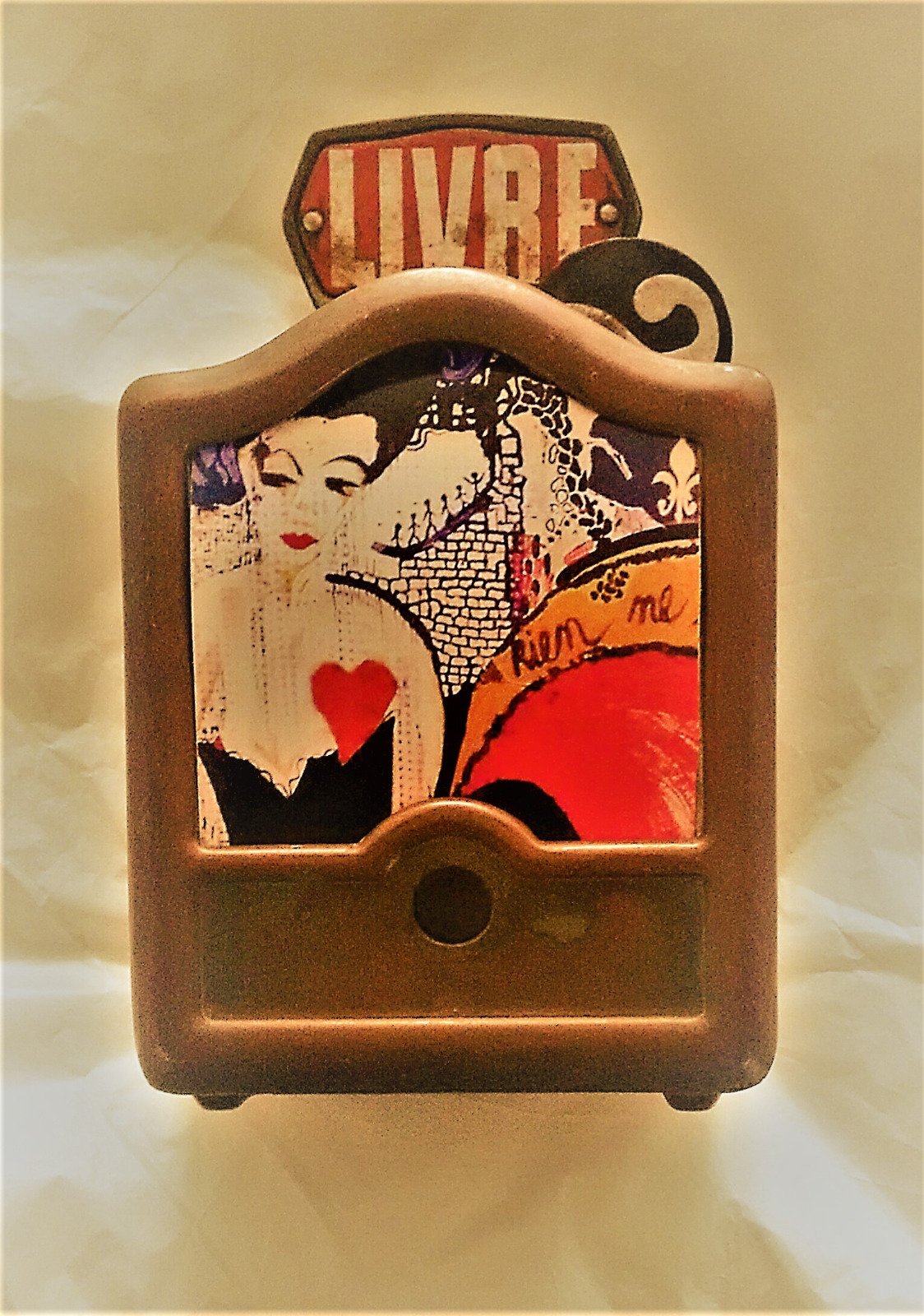
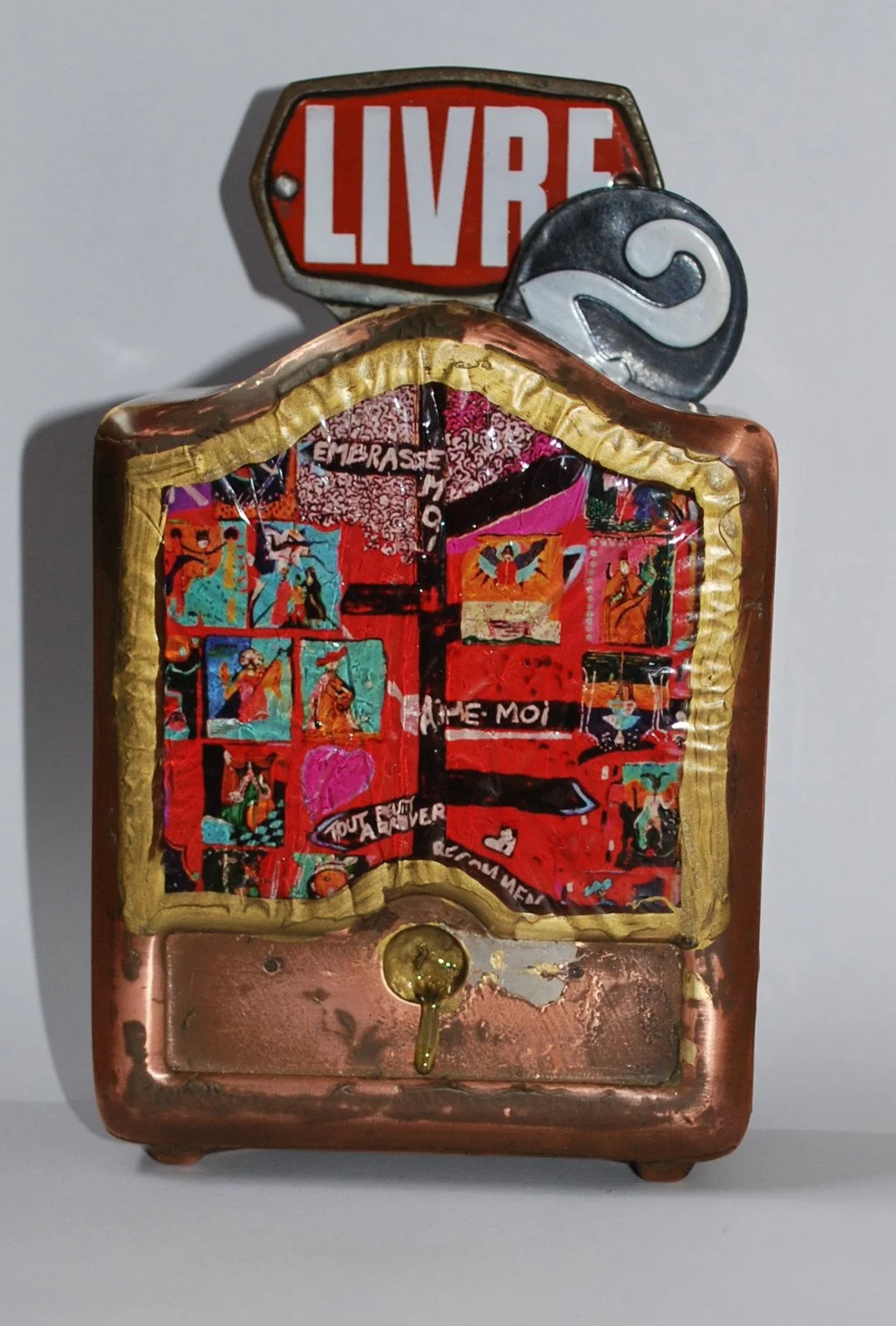
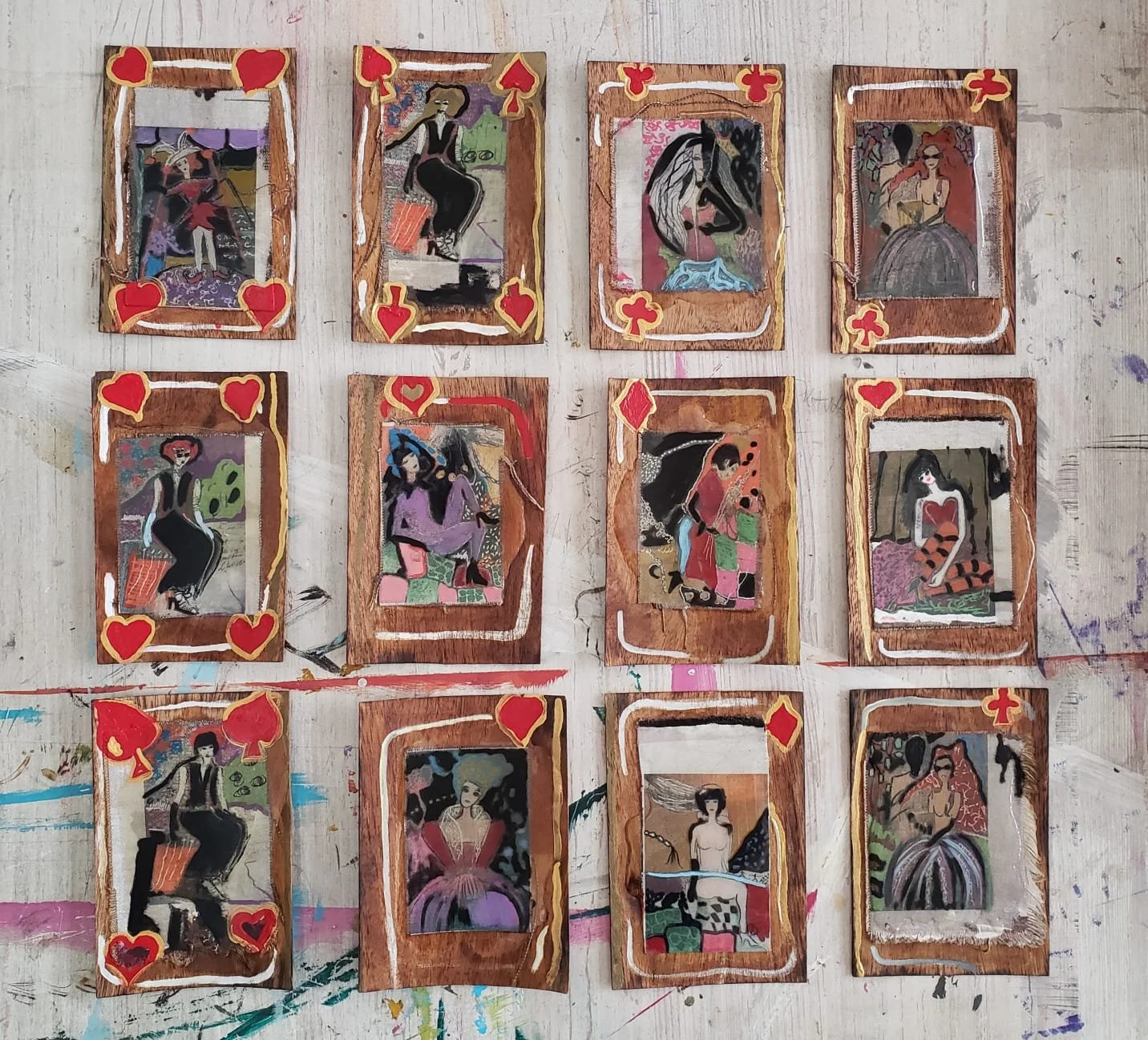
Her pictorial worlds are populated by figures, stories, visual clues, and abstract passages. From a distance, the paintings may appear abstract and gestural; up close, figures gradually begin to emerge, inviting the viewer into a process of observation and discovery.
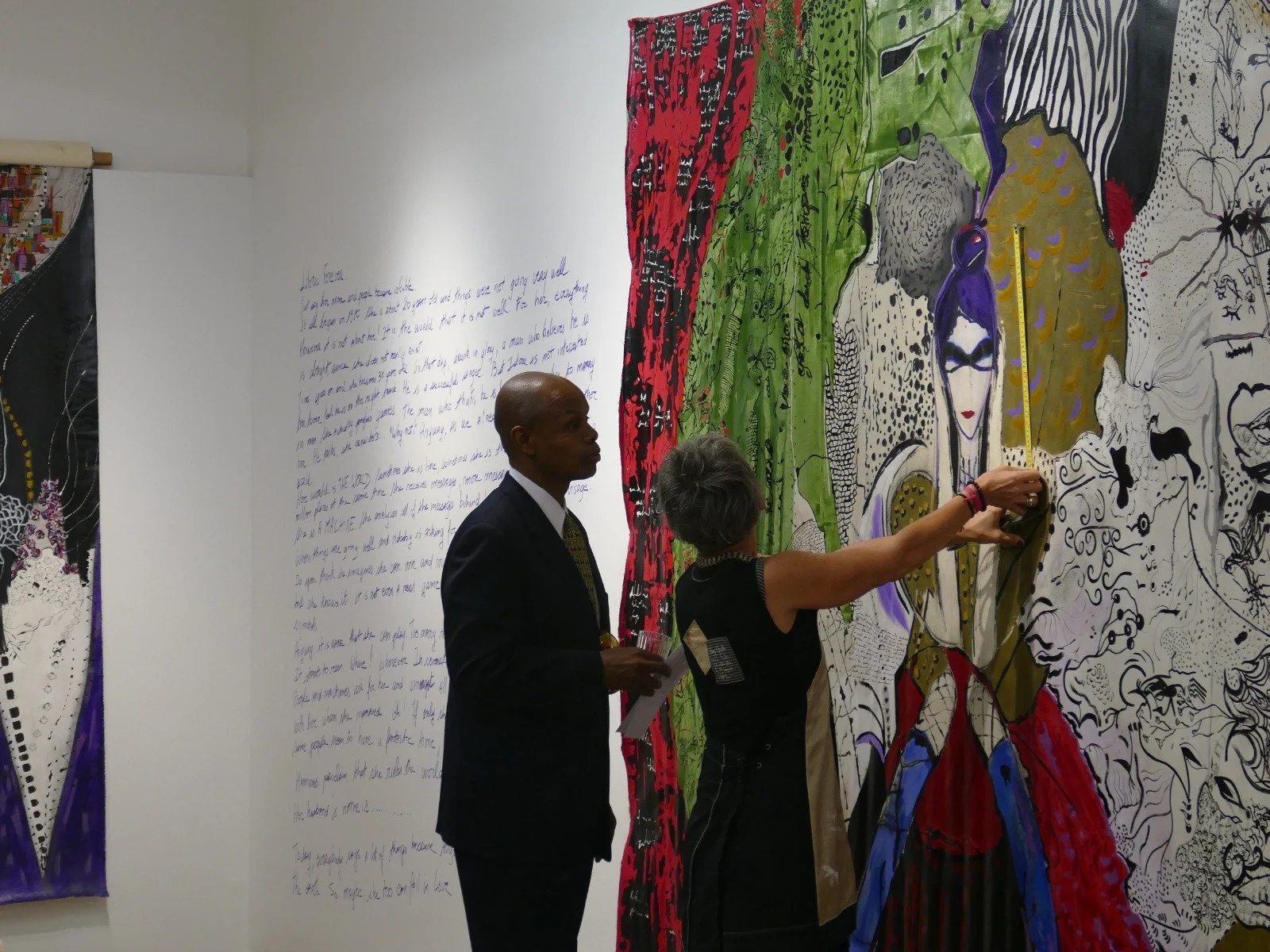
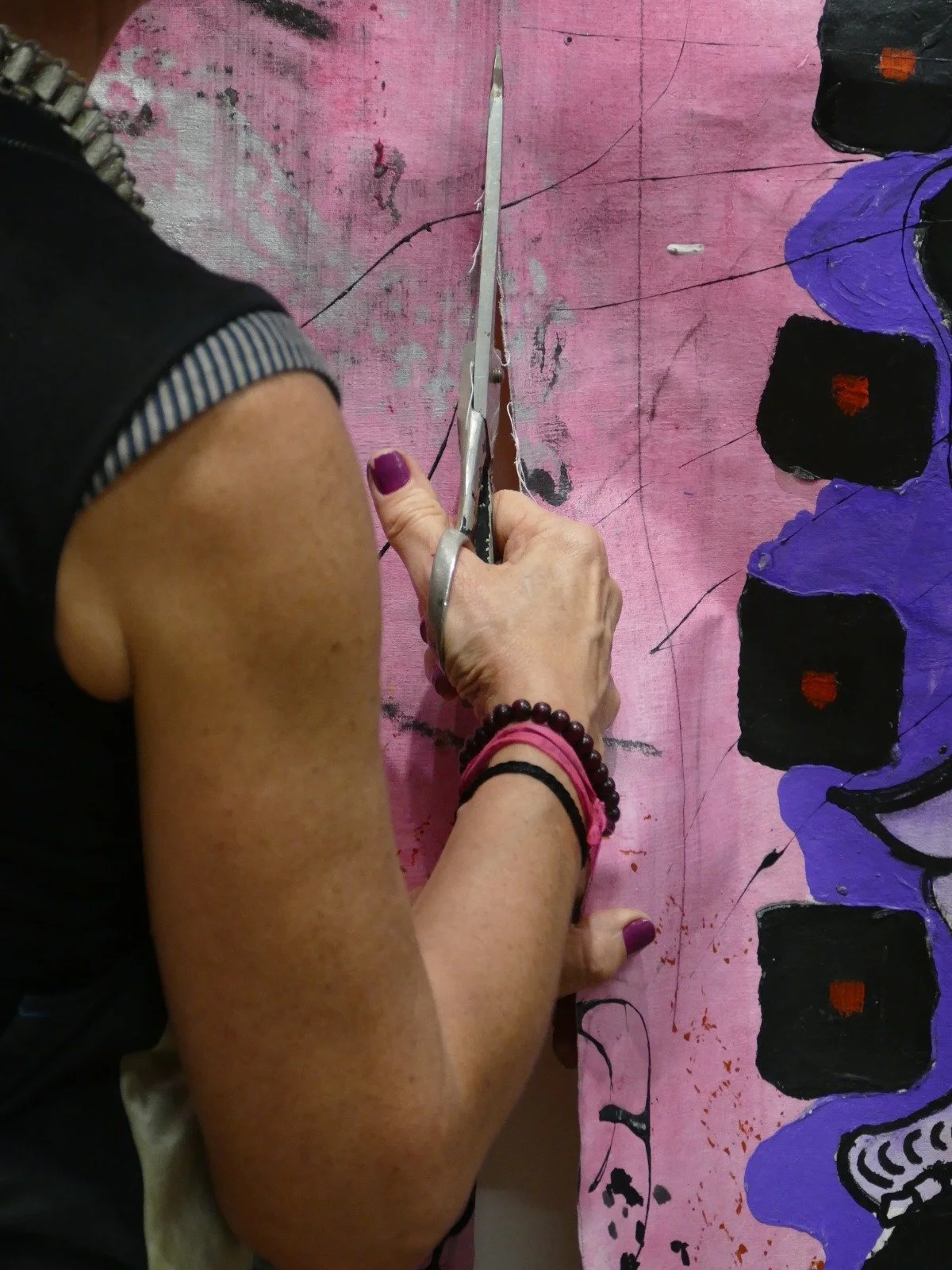
Central to this practice is the idea of a painting that remains potentially infinite until the moment of acquisition. The work initially exists as a continuous pictorial territory rather than as a fixed image. At the end of the process, the collector takes part in defining the final work by choosing a fragment from the larger painting. The artist then makes the cut, revealing a composition already contained within the whole.
This gesture does not bring the painting to a close, nor does it destroy the larger body from which the work emerges. On the contrary, it gives rise to new works from the same continuous pictorial field. Each fragment retains the memory of the larger whole, like a chapter taken from a novel, while the hidden and suggested figures transform looking into a kind of visual investigation or treasure hunt.
The cut itself is not the focus of Ribot’s work but the final stage of a much larger process: one in which painting remains open, multiple, and potentially infinite, and in which the act of discovery becomes part of the work itself.